


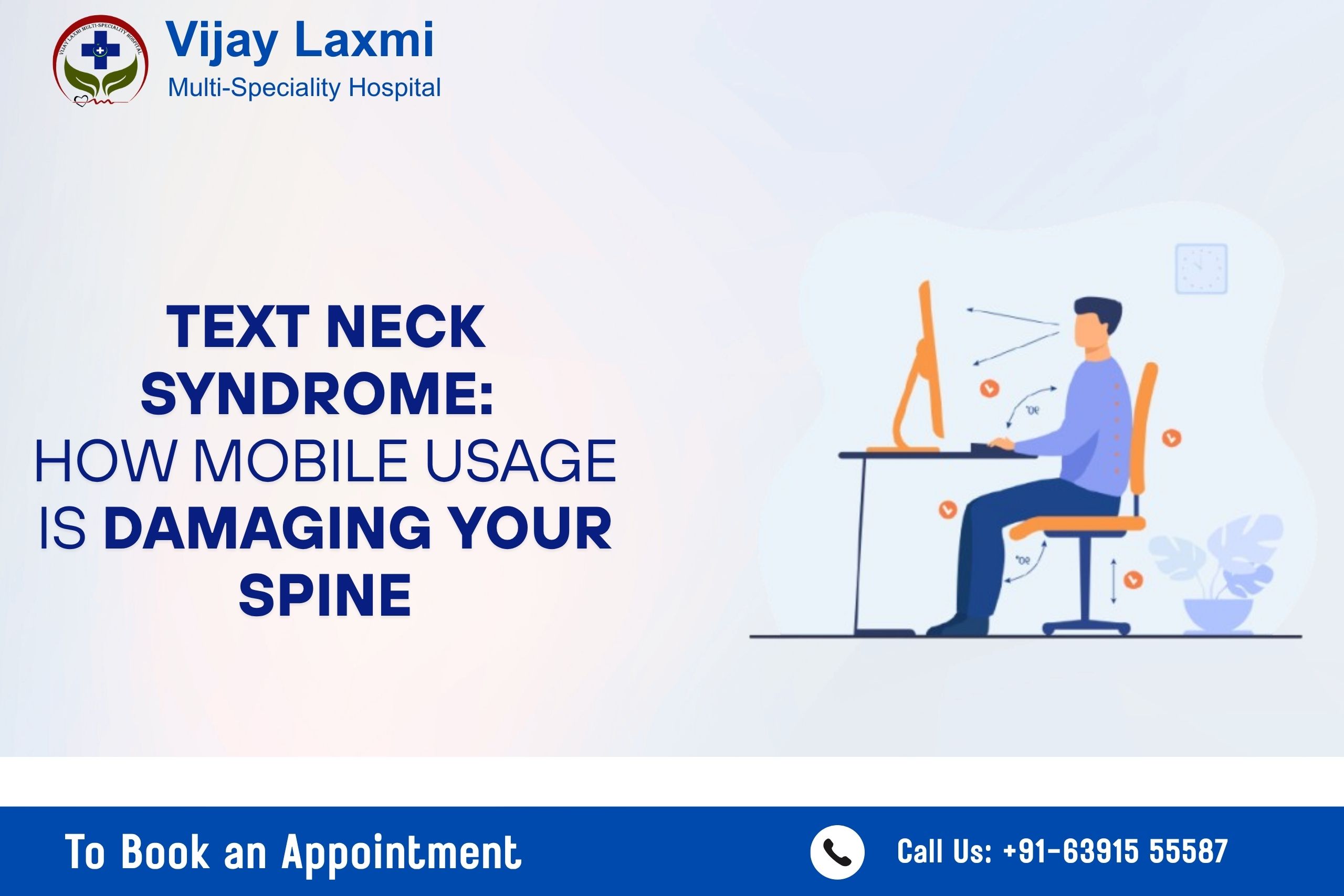
Text Neck Syndrome: How Mobile Usage Is Damaging Your Spine
In today’s digital age, smartphones have become an essential part of everyday life. Whether it’s messaging, social media, online work, or entertainment, many people spend hours looking down at their mobile devices. While smartphones offer convenience and connectivity, excessive use can quietly harm your spine. One of the most common modern health problems linked to mobile usage is Text Neck Syndrome.
Orthopedic specialists worldwide are increasingly seeing patients suffering from neck pain, shoulder stiffness, headaches, and posture problems due to prolonged smartphone use. According to Dr. Ayush Patel, orthopedician at Vijay Laxmi Multi-Speciality Hospital in Jaunpur, cases of neck strain related to smartphone usage have risen significantly in recent years. Young adults, students, and office professionals are especially vulnerable because they spend extended periods looking down at screens.
This article explains what Text Neck Syndrome is, why it occurs, its symptoms, long-term effects, and how proper posture and preventive care can protect your spine.
What Is Text Neck Syndrome?
Text Neck Syndrome is a repetitive stress injury caused by prolonged forward bending of the head while using smartphones, tablets, or other handheld devices. When you tilt your head forward to look at your phone, the weight exerted on the cervical spine increases dramatically.
A human head typically weighs around 4–5 kg in a neutral position. However, when the head tilts forward at different angles, the pressure on the spine multiplies:
- 15° tilt → approximately 12 kg pressure
- 30° tilt → approximately 18 kg pressure
- 45° tilt → approximately 22 kg pressure
- 60° tilt → approximately 27 kg pressure
This additional strain places excessive pressure on the neck muscles, ligaments, and spinal discs. Over time, repeated stress can lead to pain, inflammation, and spinal alignment problems.
Dr. Ayush Patel explains that many patients visiting orthopedic clinics today show symptoms directly linked to Text Neck Syndrome, especially those who spend more than 4–5 hours daily on smartphones.
Why Mobile Usage Is Increasing Neck Problems
Smartphone addiction and screen dependency have become common across all age groups. Unfortunately, the human body is not designed to maintain a bent-neck posture for long periods.
Here are some reasons why Text Neck Syndrome is becoming more common:
1. Excessive Smartphone Usage
Many people spend several hours scrolling through social media, watching videos, or chatting on their phones without realizing the strain placed on their neck.
2. Poor Posture While Using Devices
People often use their phones while slouching on beds, couches, or chairs, which further worsens spinal alignment.
3. Lack of Physical Activity
Sedentary lifestyles weaken muscles that support the spine, making individuals more prone to neck injuries.
4. Continuous Screen Time Without Breaks
When people focus on their phones for long periods, they rarely take breaks to stretch or move their neck.
As a result, Text Neck Syndrome has become a common cause of chronic neck pain among both adults and teenagers.
Common Symptoms of Text Neck Syndrome
The symptoms of Text Neck Syndrome may start mildly but can worsen if ignored for long periods. Early identification is important to prevent long-term spinal problems.
Neck Pain and Stiffness
One of the earliest signs is persistent pain or tightness in the neck muscles.
Shoulder Pain
Prolonged neck bending often leads to tension in the shoulder muscles, causing discomfort and restricted movement.
Upper Back Pain
Improper posture can affect the thoracic spine, leading to upper back pain and muscle fatigue.
Headaches
Muscle tension in the neck can trigger tension headaches, especially at the base of the skull.
Reduced Neck Mobility
Over time, patients may find it difficult to rotate or tilt their neck comfortably.
Tingling or Numbness in Arms
In severe cases, nerve compression may cause tingling sensations in the arms or fingers.
Dr. Ayush Patel advises patients not to ignore these symptoms, as early intervention can prevent complications associated with Text Neck Syndrome.
Long-Term Effects of Text Neck Syndrome
If untreated, Text Neck Syndrome can lead to more serious orthopedic conditions affecting the cervical spine.
Cervical Disc Degeneration
Constant pressure on spinal discs can accelerate wear and tear, leading to degenerative disc disease.
Nerve Compression
Herniated discs or spinal misalignment can compress nerves, causing radiating pain.
Chronic Postural Imbalance
Poor posture becomes habitual over time, affecting spinal alignment permanently.
Reduced Lung Capacity
Slouched posture can restrict chest expansion, reducing breathing efficiency.
Early Cervical Spondylosis
Young adults are increasingly showing signs of early cervical spine degeneration due to prolonged mobile usage.
Because of these risks, orthopedic specialists emphasize awareness and prevention of Text Neck Syndrome.
How Doctors Diagnose Text Neck Syndrome
Diagnosis usually begins with a detailed clinical evaluation.
At orthopedic clinics, doctors examine:
- Neck posture and spinal alignment
- Range of motion of the neck
- Muscle tenderness or stiffness
- Nerve involvement symptoms
In some cases, imaging tests such as X-rays or MRI scans may be recommended to assess spinal health and rule out serious conditions.
Dr. Ayush Patel follows a comprehensive evaluation approach before recommending treatment for Text Neck Syndrome, ensuring accurate diagnosis and effective care.
Treatment Options for Text Neck Syndrome
Treatment focuses on relieving pain, correcting posture, and strengthening muscles that support the spine.
1. Posture Correction
Patients are advised to maintain proper posture while using smartphones or computers.
Simple changes include:
- Holding the phone at eye level
- Sitting upright with back support
- Avoiding prolonged neck bending
2. Physiotherapy
Physiotherapy plays a major role in managing Text Neck Syndrome. Specialized exercises help restore muscle strength and flexibility.
3. Pain Management
Doctors may prescribe anti-inflammatory medications or muscle relaxants to reduce pain and swelling.
4. Lifestyle Modifications
Reducing screen time and adopting healthier habits can significantly improve symptoms.
5. Ergonomic Adjustments
Workstations and mobile usage habits may need modification to maintain proper spine alignment.
Early treatment greatly improves recovery and prevents chronic spinal problems.
Exercises That Help Prevent Text Neck Syndrome
Regular exercises can reduce muscle tension and improve neck strength.
Chin Tucks
This exercise strengthens neck muscles and helps correct forward head posture.
Shoulder Rolls
Rolling the shoulders backward reduces muscle stiffness.
Neck Stretch
Gently tilting the head sideways stretches tight muscles.
Upper Back Strengthening
Exercises that strengthen the upper back help maintain proper posture.
Chest Stretch
Stretching chest muscles counters the forward shoulder posture caused by mobile use.
These exercises, when practiced regularly, can significantly reduce the risk of developing Text Neck Syndrome.
Tips to Prevent Text Neck Syndrome
Preventing Text Neck Syndrome requires small but consistent lifestyle changes.
Hold Your Phone at Eye Level
Avoid bending your neck downward while using your device.
Take Frequent Breaks
Follow the 20-20-20 rule: every 20 minutes, take a short break and stretch.
Improve Sitting Posture
Keep your back straight and shoulders relaxed.
Limit Screen Time
Reducing unnecessary phone usage helps protect your neck.
Strengthen Core and Back Muscles
Strong muscles provide better spinal support.
Stay Physically Active
Regular physical activity improves flexibility and posture.
These preventive habits can significantly reduce spinal strain.
When Should You Consult an Orthopedic Doctor?
You should consult a specialist if you experience:
- Persistent neck pain lasting more than a week
- Severe stiffness or restricted movement
- Pain radiating into shoulders or arms
- Tingling or numbness in hands
- Frequent headaches associated with neck pain
Early consultation with an orthopedic doctor can help identify Text Neck Syndrome before it causes serious complications.
Dr. Ayush Patel, orthopedician at Vijay Laxmi Multi-Speciality Hospital in Jaunpur, provides comprehensive diagnosis and treatment for patients experiencing neck pain related to excessive smartphone use. With the increasing number of patients from Jaunpur and nearby areas, early awareness and preventive care are becoming more important than ever.
Conclusion
Modern technology has made life easier, but excessive smartphone usage is silently affecting spinal health. Text Neck Syndrome is becoming a widespread orthopedic issue that can lead to chronic pain and long-term spine damage if ignored.
Fortunately, simple lifestyle changes, posture correction, and strengthening exercises can significantly reduce the risk. Being mindful of how we use our devices is the first step toward protecting our spine.
If you experience persistent neck pain or posture-related discomfort, consulting an orthopedic expert can help prevent complications and ensure proper treatment. Early care and preventive habits are key to maintaining a healthy spine in today’s digital world.
Call Us: 063915 55587
Visit Us: Laxmi Complex, Jaycees Chauraha, Azamgarh Rd, Pratap Colony, Jaunpur, Uttar Pradesh 222002
Disclaimer:
The information provided in this article is for educational and informational purposes only and is not a substitute for professional medical advice, diagnosis, or treatment. Always consult a qualified healthcare provider