

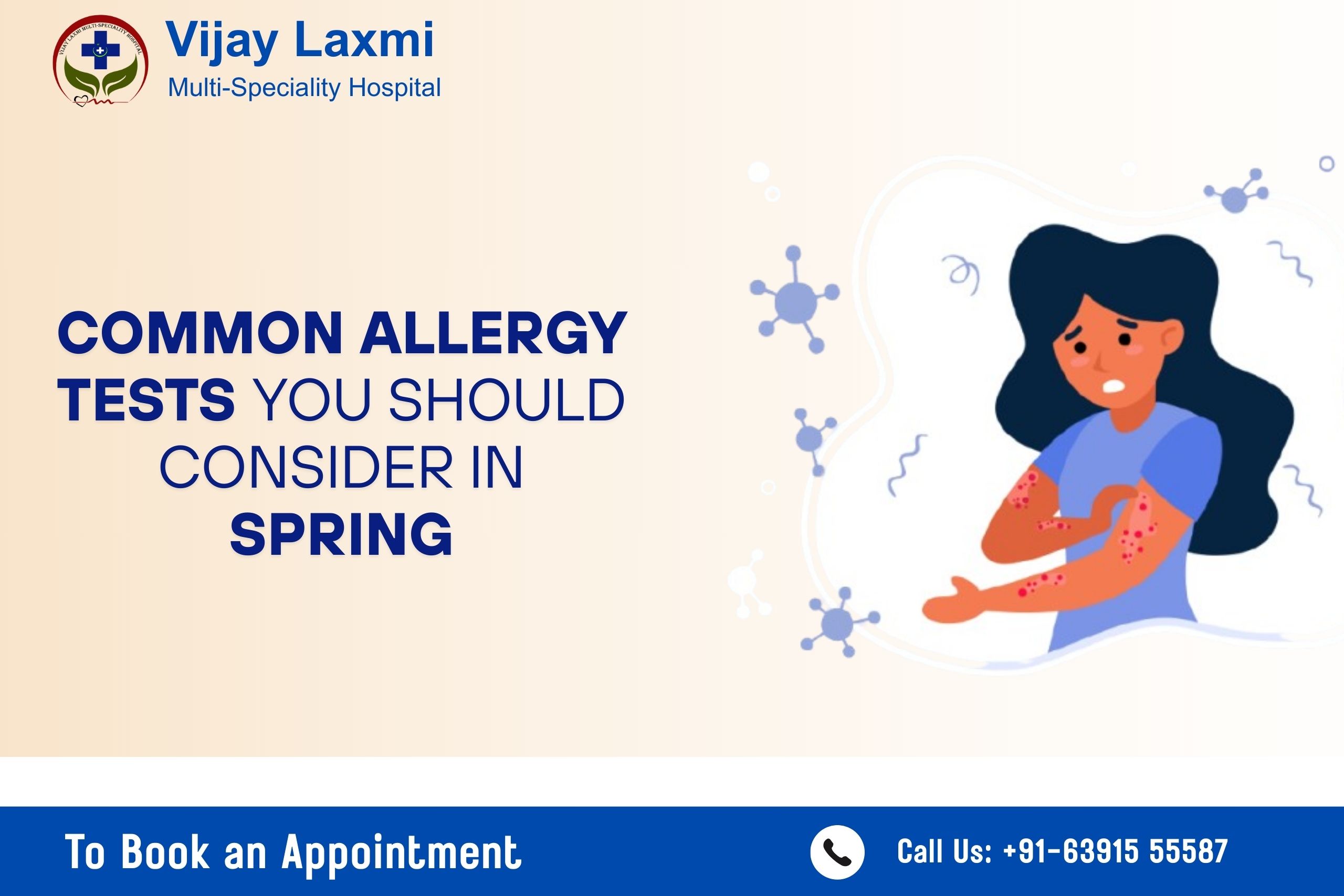
Common Allergy Tests You Should Consider in Spring
Spring is a beautiful season marked by blooming flowers, fresh greenery, and pleasant weather. However, for many people, spring also brings an unwelcome problem, allergies. Sneezing, itchy eyes, nasal congestion, skin irritation, and breathing difficulties become common complaints as pollen levels rise in the air. These symptoms may seem mild at first, but untreated allergies can significantly affect your daily life and overall health.
One of the most effective ways to identify the exact cause of allergic reactions is through an allergy blood test. By detecting the substances that trigger your immune system, doctors can recommend targeted treatments and preventive strategies. In places like Jaunpur and nearby areas, where seasonal pollen and environmental allergens are common, early diagnosis through proper testing becomes especially important.
At Vijay Laxmi Multi-Speciality Hospital, pathology services led by experienced pathologist Dr. Lalji Patel help patients accurately diagnose allergies through reliable laboratory investigations. Understanding the different types of allergy tests available during spring can help you take timely action and manage symptoms effectively.
Why Allergies Are More Common in Spring
Spring allergies are mainly triggered by environmental allergens that increase during this season. When plants begin to bloom, they release large amounts of pollen into the air. For individuals with sensitive immune systems, this pollen can trigger allergic reactions.
Common spring allergens include:
- Tree pollen (such as neem, oak, and eucalyptus)
- Grass pollen
- Dust and airborne particles
- Mold spores
- Insect bites
- Certain foods that cross-react with pollen allergies
When these allergens enter the body, the immune system mistakenly identifies them as harmful substances and produces antibodies known as IgE (Immunoglobulin E). This reaction releases histamines, which cause symptoms like sneezing, runny nose, watery eyes, and itching.
An allergy blood test helps detect these antibodies and identify the specific allergens responsible for your symptoms.
Common Symptoms That May Require Allergy Testing
Many people confuse allergy symptoms with a common cold or seasonal flu. However, if symptoms persist or occur repeatedly during certain seasons, allergy testing may be necessary.
You may need an allergy blood test if you experience:
- Frequent sneezing
- Persistent nasal congestion
- Runny nose
- Itchy or watery eyes
- Skin rashes or hives
- Wheezing or breathing difficulty
- Chronic sinus problems
- Reactions after eating certain foods
Identifying the root cause of these symptoms helps doctors recommend the right treatment and lifestyle adjustments.
Why Allergy Testing Is Important
Allergy testing plays a crucial role in managing allergic conditions effectively. Instead of guessing the cause of your symptoms, testing provides clear medical evidence.
Benefits of allergy testing include:
- Accurate identification of allergens
- Prevention of severe allergic reactions
- Personalized treatment plans
- Improved quality of life
- Avoidance of unnecessary medications
A reliable allergy blood test is particularly useful for patients who cannot undergo skin testing due to skin conditions, medications, or severe allergy risk.
Common Allergy Tests You Should Consider in Spring
Several diagnostic tests help detect allergies and determine their severity. Below are the most commonly recommended allergy tests during the spring season.
1. Allergy Blood Test (Specific IgE Test)
The allergy blood test is one of the most widely used diagnostic tools for detecting allergies. This test measures the level of IgE antibodies in your blood that react to specific allergens.
Doctors may recommend this test if you have:
- Severe allergy symptoms
- Skin conditions like eczema
- High risk of allergic reactions
- Difficulty stopping antihistamine medication
The blood sample is analyzed in a laboratory to determine which substances trigger an immune response. Results help identify allergies related to pollen, dust mites, animal dander, foods, or mold.
2. Total IgE Test
While the allergy blood test identifies specific allergens, the Total IgE test measures the overall level of allergic antibodies in the body.
Elevated IgE levels may indicate:
- Allergic rhinitis
- Asthma
- Food allergies
- Skin allergies
- Parasitic infections
Although this test alone cannot pinpoint the exact allergen, it provides valuable information about your body’s allergic tendency.
3. Skin Prick Test
The skin prick test is another common method used to diagnose allergies. In this test, small amounts of potential allergens are applied to the skin using tiny needles.
If a raised bump or redness appears at the test site, it indicates sensitivity to that allergen.
This test is often used for detecting allergies to:
- Pollen
- Dust mites
- Pet dander
- Mold
- Certain foods
4. Food Allergy Testing
Food allergies may become more noticeable during seasonal changes when the immune system is already sensitive.
Food allergy tests help identify reactions to:
- Peanuts
- Milk
- Eggs
- Soy
- Wheat
- Seafood
In many cases, an allergy blood test is used to confirm suspected food allergies safely.
5. Patch Test for Skin Allergies
The patch test is used to diagnose contact dermatitis, a type of allergy caused by direct contact with substances such as:
- Cosmetics
- Jewelry metals
- Perfumes
- Detergents
- Chemicals
Small patches containing allergens are placed on the skin for 48 hours. A reaction indicates sensitivity to that substance.
6. Mold Allergy Test
Spring humidity often increases mold growth in homes and outdoor environments.
Mold allergies can cause:
Persistent cough
Nasal congestion
Eye irritation
Respiratory issues
A specialized allergy blood test can detect mold-related antibodies and confirm this condition.
7. Dust Mite Allergy Test
Dust mites are microscopic organisms commonly found in bedding, carpets, and furniture. Their presence often triggers allergies throughout the year, but symptoms may worsen in spring due to increased humidity.
Testing for dust mite sensitivity through an allergy blood test helps determine whether environmental control measures are needed.
How Pathology Laboratories Help Diagnose Allergies
Accurate laboratory testing plays a key role in identifying allergies. Modern pathology labs use advanced diagnostic techniques to analyze blood samples and detect immune responses to various allergens.
At Vijay Laxmi Multi-Speciality Hospital, pathology services are supervised by Dr. Lalji Patel, a dedicated pathologist who ensures precise testing and reliable results. By combining clinical expertise with advanced laboratory technology, the hospital helps patients understand the exact cause of their allergies and take appropriate preventive steps.
Preparing for an Allergy Test
Proper preparation can help ensure accurate test results.
Before undergoing an allergy test, you should:
- Inform your doctor about medications you are taking
- Avoid antihistamines if advised by your physician
- Share details about previous allergic reactions
- Discuss any existing medical conditions
Unlike some other diagnostic procedures, an allergy blood test generally requires minimal preparation and can be performed safely for most patients.
How Allergy Test Results Help in Treatment
Once the allergens are identified, doctors can create a targeted treatment plan that may include:
- Avoidance of triggering substances
- Antihistamine medications
- Immunotherapy (allergy shots)
- Lifestyle adjustments
- Dietary changes
Knowing the exact cause of your allergies allows you to manage symptoms more effectively and prevent future complications.
Tips to Reduce Allergy Symptoms in Spring
In addition to testing, simple preventive measures can help control allergies during the spring season.
Helpful tips include:
- Keeping windows closed during high pollen days
- Wearing masks when outdoors
- Washing hands and face after outdoor activities
- Using air purifiers at home
- Regular cleaning to reduce dust accumulation
These precautions, combined with appropriate diagnostic tests like an allergy blood test, can significantly improve your comfort during allergy season.
Conclusion
Spring allergies can disrupt daily life and affect your overall well-being if left undiagnosed. Identifying the exact cause of allergic reactions is the first step toward effective treatment and long-term relief. Diagnostic tools like the allergy blood test help doctors detect the allergens responsible for your symptoms and create personalized treatment plans.
With accurate laboratory support and expert interpretation from professionals such as Dr. Lalji Patel, patients can receive reliable diagnoses and better guidance for managing allergies. If you frequently experience seasonal allergy symptoms, consulting a healthcare provider and undergoing the appropriate tests can help you breathe easier and enjoy the spring season without discomfort.
Call Us: 063915 55587
Visit Us: Laxmi Complex, Jaycees Chauraha, Azamgarh Rd, Pratap Colony, Jaunpur, Uttar Pradesh 222002
Disclaimer:
The information provided in this article is for educational and informational purposes only and is not a substitute for professional medical advice, diagnosis, or treatment. Always consult a qualified healthcare provider