

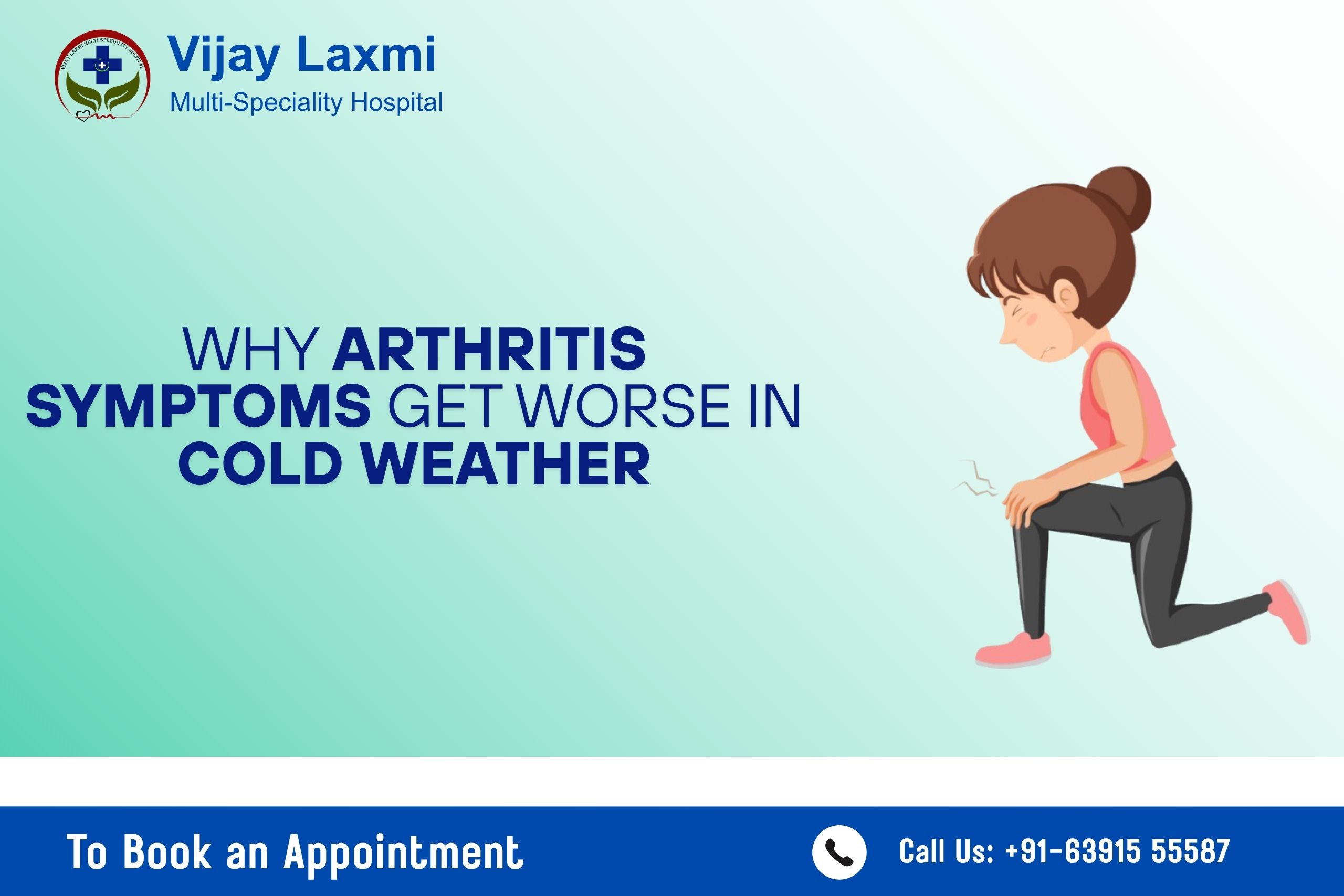
Winter Joint Pain: Why Arthritis Symptoms Get Worse in Cold Weather
As the temperature drops, many people in Jaunpur begin to experience a familiar ache in their joints. The arrival of winter often brings increased stiffness, swelling, and discomfort—especially for those living with arthritis.
According to Dr. Ayush Patel, leading orthopedic doctor at Vijay Laxmi Multi-Speciality Hospital, this seasonal aggravation isn’t just a coincidence. Cold weather affects joint tissues, muscles, and circulation, which can intensify arthritis symptoms.
If you’ve noticed your knees, shoulders, or hands becoming more painful and stiff during the colder months, you’re not alone—and there are proven solutions. In this detailed guide, we’ll explain why arthritis worsens in winter, how to manage symptoms, and the advanced winter joint pain treatment in Jaunpur available under the expert care of Dr. Ayush Patel.
Why Does Cold Weather Make Arthritis Pain Worse?
Arthritis is an inflammatory joint condition that leads to stiffness, swelling, and pain. While the exact cause of winter-related flare-ups isn’t fully understood, several physiological factors play a role:
1. Drop in Barometric Pressure
Cold temperatures often come with changes in barometric pressure. This can cause the tissues in joints to expand slightly, putting pressure on surrounding nerves. As a result, patients with arthritis often feel more discomfort during winter.
2. Reduced Blood Circulation
When it’s cold, blood vessels constrict to preserve core body heat. This reduced blood flow to muscles and joints can increase stiffness and slow down healing.
3. Muscle Tightness
Cold weather makes muscles contract and tighten, decreasing flexibility and leading to painful joint movements.
4. Reduced Physical Activity
People tend to move less in winter, which leads to weaker muscles and stiffer joints—both of which worsen arthritis pain.
Dr. Ayush Patel explains that these factors combined create a “perfect storm” for joint discomfort. However, with timely care and the right winter joint pain treatment in Jaunpur, these flare-ups can be effectively controlled.
Types of Arthritis Commonly Affected by Winter
Not all arthritis patients experience the same symptoms, but certain types tend to worsen in cold conditions.
1. Osteoarthritis
This is the most common type, where cartilage cushioning the joints wears down. Cold weather increases stiffness in the knees, hips, and hands.
2. Rheumatoid Arthritis
As an autoimmune disorder, rheumatoid arthritis is triggered by inflammation. Low temperatures and stress during winter often cause painful flare-ups.
3. Post-Traumatic Arthritis
Old injuries or surgeries can lead to arthritis years later. Winter can intensify pain in previously affected areas.
Regardless of the type, Dr. Ayush Patel emphasizes that patients should not ignore winter flare-ups. Delaying proper care can accelerate joint damage and limit mobility over time.
Expert Diagnosis at Vijay Laxmi Multi-Speciality Hospital
Before starting treatment, accurate diagnosis is key. At Vijay Laxmi Multi-Speciality Hospital, Jaunpur, patients receive comprehensive arthritis evaluation that includes:
- Physical Examination: Assessing joint movement, tenderness, and swelling.
- Imaging Tests: X-rays, MRI, and ultrasound to identify cartilage loss or inflammation.
- Blood Tests: To detect autoimmune markers and inflammation levels.
These diagnostic tools help Dr. Ayush Patel create a personalized winter joint pain treatment plan in Jaunpur, targeting the root cause rather than just symptoms.
Winter Joint Pain Treatment in Jaunpur: Dr. Ayush Patel’s Approach
At Vijay Laxmi Multi-Speciality Hospital, arthritis care goes beyond just medication. Dr. Ayush Patel’s approach combines medical therapy, physiotherapy, and lifestyle guidance for complete pain relief and mobility restoration.
Here’s how the treatment works:
1. Medication and Pain Management
Depending on the severity of arthritis, Dr. Ayush Patel may recommend:
- NSAIDs (Non-Steroidal Anti-Inflammatory Drugs) to reduce inflammation.
- Topical gels or ointments for localized pain relief.
- Vitamin D and calcium supplements, especially useful in winter when sun exposure is low.
- Corticosteroid injections for chronic pain or severe swelling.
These interventions provide quick relief, but long-term success relies on strengthening the joints through physiotherapy and lifestyle adjustments.
2. Physiotherapy and Exercise
One of the most effective components of winter joint pain treatment in Jaunpur is physiotherapy.
Under expert guidance, patients at Vijay Laxmi Multi-Speciality Hospital undergo customized exercise programs that focus on:
- Increasing flexibility and range of motion
- Strengthening surrounding muscles
- Improving blood circulation to joints
- Reducing stiffness and fatigue
Common winter-friendly exercises include:
- Warm-up stretches: Gentle joint rotations before activity
- Hydrotherapy: Warm water therapy to relieve stiffness
- Low-impact exercises: Yoga, walking, and stationary cycling
(Internal Linking Suggestion: Link to “Physiotherapy Department” page to improve internal SEO relevance.)
3. Heat Therapy and Warm Compresses
Heat therapy is a cornerstone of winter arthritis management. Dr. Ayush Patel advises using:
- Warm compresses or heating pads for 15–20 minutes a day
- Hot water bags for knee or shoulder stiffness
- Warm baths with Epsom salt to relax muscles
Heat improves blood flow, reduces stiffness, and enhances comfort.
4. Non-Surgical Advanced Treatments
For patients who don’t respond to conservative therapies, Dr. Ayush Patel offers modern non-surgical interventions such as:
- Platelet-Rich Plasma (PRP) therapy to promote natural healing
- Viscosupplementation injections to improve joint lubrication
- Ultrasound-guided pain relief procedures for targeted treatment
These advanced methods ensure patients get the most effective winter joint pain treatment in Jaunpur without invasive surgery.
5. Surgical Options (If Needed)
When joints are severely damaged and mobility is compromised, surgical treatment may be necessary. Dr. Ayush Patel specializes in:
- Arthroscopic surgery for minimal incision and faster recovery
- Joint replacement procedures for advanced arthritis cases
The orthopedic department at Vijay Laxmi Multi-Speciality Hospital is equipped with state-of-the-art surgical technology, ensuring precision and patient safety.
Winter Care Tips for Arthritis Patients
Along with medical treatment, daily habits play a crucial role in managing winter joint pain. Dr. Ayush Patel recommends the following self-care strategies:
1. Keep Your Joints Warm
Wear layered clothing and use thermal gloves or socks to prevent stiffness. Avoid sudden exposure to cold air.
2. Stay Active Indoors
Even gentle movements like stretching or household chores keep joints lubricated and flexible.
3. Maintain a Joint-Friendly Diet
Include omega-3 fatty acids, turmeric, leafy greens, and calcium-rich foods. Avoid processed and sugary items that trigger inflammation.
4. Stay Hydrated
Cold weather can make you forget to drink water, but dehydration worsens joint stiffness. Aim for at least 2 liters of water daily.
5. Prioritize Rest
Avoid overexertion, and rest adequately after physical activity to prevent flare-ups.
6. Get Sunlight Exposure
Vitamin D deficiency is common in winter and directly affects bone health. A few minutes of morning sunlight can make a big difference.
When to See an Orthopedic Doctor in Jaunpur
You should consult Dr. Ayush Patel if you experience:
- Persistent pain despite home remedies
- Joint stiffness lasting more than a few weeks
- Swelling or redness around joints
- Difficulty performing daily tasks
- Pain that worsens with weather changes
Early diagnosis and treatment are the keys to preventing permanent joint damage. The winter joint pain treatment in Jaunpur at Vijay Laxmi Multi-Speciality Hospital focuses on early intervention and long-term recovery.
Why Choose Vijay Laxmi Multi-Speciality Hospital for Arthritis Care
- Expert Orthopedic Specialist: Dr. Ayush Patel is highly experienced in diagnosing and treating all forms of arthritis.
- Advanced Technology: Equipped with digital X-rays, physiotherapy units, and modern orthopedic equipment.
- Personalized Care Plans: Every treatment is tailored based on age, condition severity, and lifestyle.
- Comprehensive Support: From consultation to rehabilitation—all services under one roof.
- Trusted by Patients Across Jaunpur: Proven success stories and long-term relief from chronic joint pain.
With expert medical care and compassionate support, Vijay Laxmi Multi-Speciality Hospital has become the trusted destination for winter joint pain treatment in Jaunpur.
Conclusion
Winter can be a challenging season for arthritis patients, but it doesn’t have to be painful. By understanding how cold weather affects your joints and taking proactive steps, you can minimize discomfort and enjoy better mobility.
At Vijay Laxmi Multi-Speciality Hospital, Jaunpur, Dr. Ayush Patel and his orthopedic team offer the most advanced and patient-centered solutions for winter joint pain treatment. From physiotherapy and medication to lifestyle counseling and advanced therapies, every aspect of care is designed to help you move freely—without pain holding you back.
If joint stiffness or pain has been troubling you this winter, don’t wait. Book your appointment today and experience lasting relief with expert orthopedic care.
Call Us: 063915 55587
Visit Us: Laxmi Complex, Jaycees Chauraha, Azamgarh Rd, Pratap Colony, Jaunpur, Uttar Pradesh 222002
Disclaimer:
The information provided in this article is for educational and informational purposes only and is not a substitute for professional medical advice, diagnosis, or treatment. Always consult a qualified healthcare provider