

Seasonal Allergies in Children: Symptoms, Causes, and Treatment
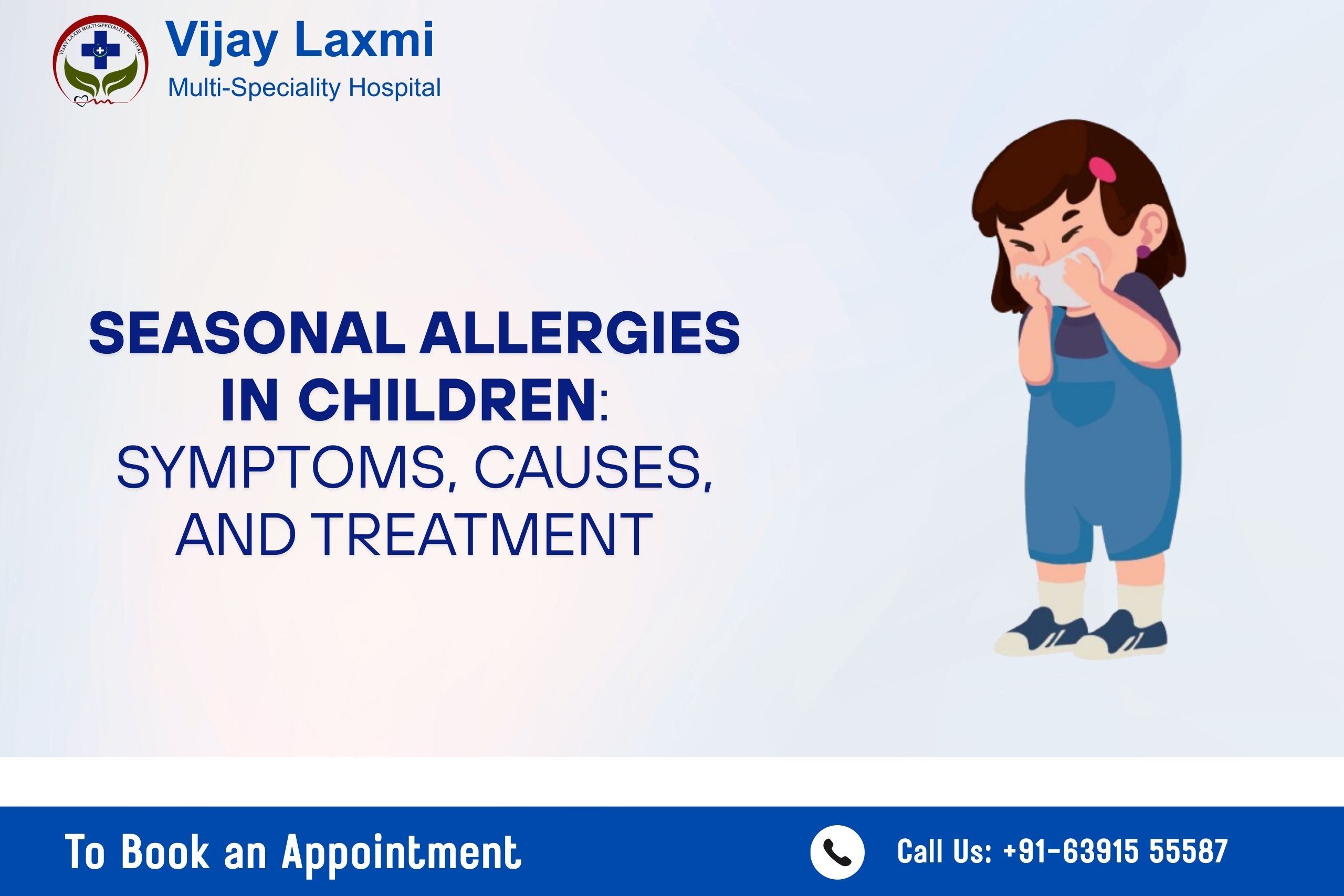
Seasonal changes bring fresh air, blooming flowers, and warmer weather—but for many families, they also bring sneezing, itchy eyes, and frequent colds. These symptoms are often caused by seasonal allergies in children, a common condition that affects many young patients during certain times of the year.
Parents often mistake allergies for recurring colds or infections. However, allergies have different triggers and require a different approach to treatment and prevention. Understanding the signs early can help parents manage symptoms effectively and improve their child’s comfort.
According to Dr. Gunjan Patel, Pediatrician at Vijay Laxmi Multi-Speciality Hospital,
“Seasonal allergies are becoming increasingly common in children due to environmental changes and increased exposure to allergens. Early recognition and proper management can significantly improve a child’s quality of life.”
In this comprehensive guide, we will explore the symptoms, causes, treatment options, and prevention strategies for seasonal allergies in children, helping parents make informed decisions about their child’s health.
What Are Seasonal Allergies?
Seasonal allergies occur when the immune system overreacts to substances in the environment that are normally harmless. These substances are known as allergens.
When a child with allergies is exposed to allergens such as pollen or dust, the immune system releases chemicals like histamine, which cause allergy symptoms.
Unlike infections, allergies are not contagious and usually occur during specific seasons when allergens are present in the air.
Common Triggers of Seasonal Allergies in Children
Understanding triggers is one of the most important steps in managing seasonal allergies in children. Several environmental factors can trigger allergic reactions.
1. Pollen from Trees and Plants
Pollen is one of the most common allergy triggers. During spring and early summer, trees, grasses, and weeds release pollen into the air, which can irritate sensitive children.
2. Dust and Dust Mites
Dust mites are tiny organisms that live in household dust. They thrive in bedding, carpets, and stuffed toys and can trigger allergy symptoms year-round.
3. Mold Spores
Mold grows in damp environments such as bathrooms, basements, and poorly ventilated rooms. Exposure to mold spores can worsen allergy symptoms.
4. Air Pollution
Pollution and smoke in urban environments can irritate the respiratory system and worsen allergic reactions in children.
5. Pet Dander
Proteins found in the skin flakes, saliva, and fur of pets can also act as allergens for some children.
Dr. Gunjan Patel notes that environmental triggers often vary depending on the region, weather patterns, and household conditions.
Symptoms of Seasonal Allergies in Children
Recognizing symptoms early can help parents differentiate allergies from viral infections. The symptoms of seasonal allergies in children often affect the nose, eyes, throat, and skin.
Common Symptoms Include:
Sneezing and Runny Nose
Frequent sneezing and a clear, watery nasal discharge are classic allergy symptoms.
Nasal Congestion
Children may experience a blocked nose or difficulty breathing through the nose.
Itchy Eyes
Red, watery, and itchy eyes are common signs of allergic reactions.
Frequent Nose Rubbing
Children often rub their noses repeatedly, a behavior sometimes called the “allergic salute.”
Coughing
Postnasal drip caused by allergies can lead to persistent coughing.
Fatigue and Irritability
Sleep disturbances due to nasal congestion can make children tired and irritable.
These symptoms often appear repeatedly during certain seasons and may last longer than a typical cold.
How Allergies Affect a Child’s Daily Life
Many parents underestimate the impact of allergies. However, seasonal allergies in children can significantly affect a child’s well-being.
Children with untreated allergies may experience:
- Difficulty concentrating in school
- Poor sleep due to nasal blockage
- Reduced physical activity
- Frequent headaches
- Irritability and mood changes
When allergies interfere with daily life, medical guidance becomes essential.
Causes and Risk Factors
Several factors increase the likelihood of seasonal allergies in children.
Family History
Children with parents or siblings who have allergies are more likely to develop allergic conditions.
Environmental Exposure
Exposure to pollen, dust, and pollution can trigger allergic reactions in susceptible children.
Weak Immune Response
An overactive immune system may respond excessively to harmless substances.
Asthma or Eczema
Children with asthma or eczema are at higher risk of developing allergies.
Understanding these risk factors helps pediatricians diagnose and manage allergies effectively.
Diagnosing Seasonal Allergies
Proper diagnosis is essential to determine whether a child’s symptoms are due to allergies or another condition.
Dr. Gunjan Patel typically evaluates:
- Medical history
- Seasonal pattern of symptoms
- Exposure to potential allergens
- Family history of allergies
In some cases, doctors may recommend allergy testing to identify specific triggers.
Treatment Options for Seasonal Allergies
Treatment focuses on reducing symptoms and preventing exposure to allergens.
1. Antihistamine Medications
Antihistamines help block the effects of histamine, the chemical responsible for allergy symptoms.
2. Nasal Sprays
Steroid nasal sprays can reduce inflammation and relieve nasal congestion.
3. Eye Drops
Medicated eye drops help relieve itching and redness.
4. Allergy Immunotherapy
For severe cases, doctors may recommend allergy shots or other therapies that help the immune system become less sensitive to allergens.
Dr. Gunjan Patel emphasizes that medications should always be taken under pediatric supervision, especially for young children.
Home Care Tips to Manage Allergies
Parents can take several practical steps at home to reduce allergy symptoms.
Keep Windows Closed During High Pollen Seasons
This prevents pollen from entering the home.
Encourage Hand and Face Washing
Children should wash their hands and face after playing outside to remove allergens.
Use Air Purifiers
Air purifiers help reduce airborne allergens indoors.
Wash Bedding Frequently
Regular washing removes dust mites and allergens.
Avoid Outdoor Activities During High Pollen Times
Pollen levels are usually highest during early morning hours.
These preventive measures can significantly reduce symptoms of seasonal allergies in children.
Preventing Seasonal Allergies
Although allergies cannot always be completely prevented, certain strategies can reduce the risk and severity.
Maintain Clean Indoor Environments
Regular cleaning reduces dust and allergens.
Ensure Proper Ventilation
Well-ventilated homes reduce mold growth.
Strengthen Immunity
A balanced diet, regular exercise, and adequate sleep support immune health.
Monitor Weather and Pollen Forecasts
Parents can plan outdoor activities during periods when pollen levels are lower.
Dr. Gunjan Patel advises parents to remain observant and proactive, especially during seasonal transitions.
When Should Parents See a Pediatrician?
Parents should consult a pediatrician if their child experiences:
- Persistent allergy symptoms
- Difficulty breathing
- Severe nasal congestion
- Symptoms affecting sleep or school performance
- Repeated sinus infections
Early treatment can prevent complications and help children manage allergies more effectively.
Frequently Asked Questions
1. What are seasonal allergies in children?
Seasonal allergies occur when a child’s immune system reacts to environmental allergens like pollen or mold during certain seasons.
2. How are allergies different from a cold?
Allergies usually cause itchy eyes and sneezing without fever, while colds often include fever and body aches.
3. At what age do allergies start in children?
Allergies can appear as early as infancy but are more common in toddlers and school-age children.
4. Can seasonal allergies cause coughing?
Yes, allergies can cause coughing due to postnasal drip and throat irritation.
5. Are seasonal allergies dangerous?
Most allergies are mild but can affect quality of life if untreated.
6. Can allergies be cured permanently?
While allergies cannot always be cured, treatments can effectively control symptoms.
7. Do allergies worsen with pollution?
Yes, air pollution can aggravate allergic symptoms and respiratory irritation.
8. When should parents consult a doctor for allergies?
If symptoms persist, worsen, or interfere with sleep and daily activities, medical evaluation is recommended.
Conclusion
Seasonal changes can be challenging for children who are sensitive to environmental allergens. Recognizing the symptoms early and taking preventive measures can greatly reduce discomfort and improve daily life. From simple home care practices to medical treatments, several options are available to help manage seasonal allergies in children effectively.
As Dr. Gunjan Patel, Pediatrician at Vijay Laxmi Multi-Speciality Hospital, explains,
“With the right awareness and timely treatment, children with allergies can lead active, healthy lives without letting seasonal triggers affect their growth and development.”
Parents who notice persistent allergy symptoms should not hesitate to seek professional guidance. Early diagnosis and proper care can help children breathe easier, sleep better, and enjoy their daily activities without interruption.
Call Us: 063915 55587
Visit Us: Laxmi Complex, Jaycees Chauraha, Azamgarh Rd, Pratap Colony, Jaunpur, Uttar Pradesh 222002
Disclaimer:
The information provided in this article is for educational and informational purposes only and is not a substitute for professional medical advice, diagnosis, or treatment. Always consult a qualified healthcare provider