

Minimally Invasive Excellence: Laparoscopic Surgery at Vijay Laxmi Multi-Speciality Hospital, Jaunpur
It’s pretty incredible how surgery has evolved, right? These days, a technique called laparoscopic surgery has really changed the game, making recovery so much faster and easier for patients, with way less pain and hardly any scars.
And for those living in and around Jaunpur, getting access to this advanced type of surgery has become a real possibility thanks to the fantastic team and modern facilities at Vijay Laxmi Multi-Speciality Hospital. Under the guidance of the very skilled Dr. Vishad Patel, the hospital is really raising the bar for these tiny-incision procedures, focusing on making sure everything is super accurate, safe, and that patients feel as comfortable as possible.
So, in this blog, we’re going to take a closer look at what laparoscopic surgery actually involves, all the great advantages it offers, and why Vijay Laxmi Hospital has become the place people trust for excellent surgical care in the Jaunpur area. Let’s explore!
Smaller Incisions, Faster Recovery: Understanding Laparoscopic Surgery:
Laparoscopic surgery, also known as minimally invasive surgery (MIS), is a modern surgical technique that has transformed the way many procedures are performed. Instead of large incisions typically required in traditional open surgery, laparoscopic procedures involve making small incisions—usually 0.5 to 1.5 cm—through which specialized instruments and a camera (laparoscope) are inserted to perform the operation.
The laparoscope provides high-definition, magnified visuals of the internal organs on a monitor, enabling the surgeon to operate with enhanced accuracy and minimal trauma to surrounding tissues. This method is commonly used for a variety of surgical procedures including gallbladder removal (cholecystectomy), hernia repair, appendectomy, hysterectomy, and even some gastrointestinal and urological surgeries.
How It Works?
During the procedure:
- A small incision is made to insert a trocar (a narrow tube).
- Carbon dioxide gas is pumped into the abdomen to inflate it, giving the surgeon more room to work.
- A laparoscope is inserted, transmitting real-time images to a video monitor.
- Through additional small incisions, other surgical instruments are introduced to carry out the required task.
Once the procedure is completed, the instruments are withdrawn, and the incisions are closed with sutures or surgical tape.
Key Applications of Laparoscopic Surgery
Some of the most common laparoscopic procedures include:
- Laparoscopic Appendectomy – for removal of the appendix
- Laparoscopic Cholecystectomy – for gallbladder removal
- Laparoscopic Hernia Repair – to treat inguinal and abdominal hernias
- Laparoscopic Hysterectomy – for removal of the uterus in women
- Laparoscopic Colorectal Surgery – to address certain colon and rectal conditions.
This technique is now considered the gold standard for many surgeries due to its efficiency and minimal post-operative discomfort.
Rise of Laparoscopic Surgery in Tier-2 Cities like Jaunpur:
While initially popularized in metropolitan hospitals, laparoscopic surgery is now increasingly accessible in tier-2 cities like Jaunpur. Advanced infrastructure, skilled specialists like Dr. Vishad Patel, and growing patient awareness are major contributing factors. This shift is not only improving surgical outcomes but also reducing the need for patients to travel far for quality care.
Laparoscopic surgery is especially beneficial in smaller cities where patients often fear long recovery periods and hospital stays. With this technique, many procedures are performed as day-care surgeries or require only a short hospital stay, making it a highly convenient and patient-friendly option.
Benefits of Laparoscopic Surgery Over Traditional Surgery:
Laparoscopic surgery is often referred to as a game-changer in modern medicine—and for good reason. Compared to traditional open surgery, this minimally invasive technique offers a range of benefits that enhance patient outcomes, safety, and overall experience. At Vijay Laxmi Multi-Speciality Hospital in Jaunpur, these advantages are fully realized under the expert care of Dr. Vishad Patel, a leading surgeon specializing in laparoscopic procedures.
1. Smaller Incisions, Less Scarring
One of the most visible benefits of laparoscopic surgery is the use of small incisions. Instead of a single large cut, the surgeon makes a few tiny ones, reducing visible scarring significantly. This is especially important for cosmetic reasons and for surgeries involving areas like the abdomen or pelvis.
2. Reduced Pain and Discomfort
Smaller incisions mean less trauma to the skin and muscles, which leads to significantly lower post-operative pain. Most patients require fewer painkillers and experience quicker pain relief. This is a big advantage for those with low pain tolerance or conditions that make traditional surgery more challenging.
3. Faster Recovery and Shorter Hospital Stays
Patients undergoing laparoscopic surgery typically recover faster than those who have open surgery. In fact, many procedures are performed as outpatient or day-care surgeries, allowing patients to return home the same day. This quick recovery translates into fewer days off work or school and a faster return to daily activities.
4. Lower Risk of Infection
Because laparoscopic surgery involves smaller incisions and less exposure of internal organs to external contaminants, the risk of post-operative infections is greatly reduced. This is particularly crucial for individuals with weakened immune systems or chronic illnesses like diabetes.
5. Minimal Blood Loss
Laparoscopic procedures are associated with much less blood loss compared to open surgery. With advanced instruments and high-definition visualization, surgeons like Dr. Vishad Patel can operate with incredible precision, minimizing trauma to blood vessels and reducing the need for transfusions.
6. Enhanced Surgical Accuracy
The use of a high-definition laparoscope allows surgeons to see the operative field with greater clarity and magnification. This precision enables safer, more controlled movements, which reduces the chance of surgical errors and complications.
7. Less Risk of Post-Operative Complications
Traditional open surgery carries risks like wound infections, hernias, and adhesions. Laparoscopic surgery reduces these risks significantly due to the minimal incision size and less handling of internal organs. This also means fewer follow-up visits and interventions.
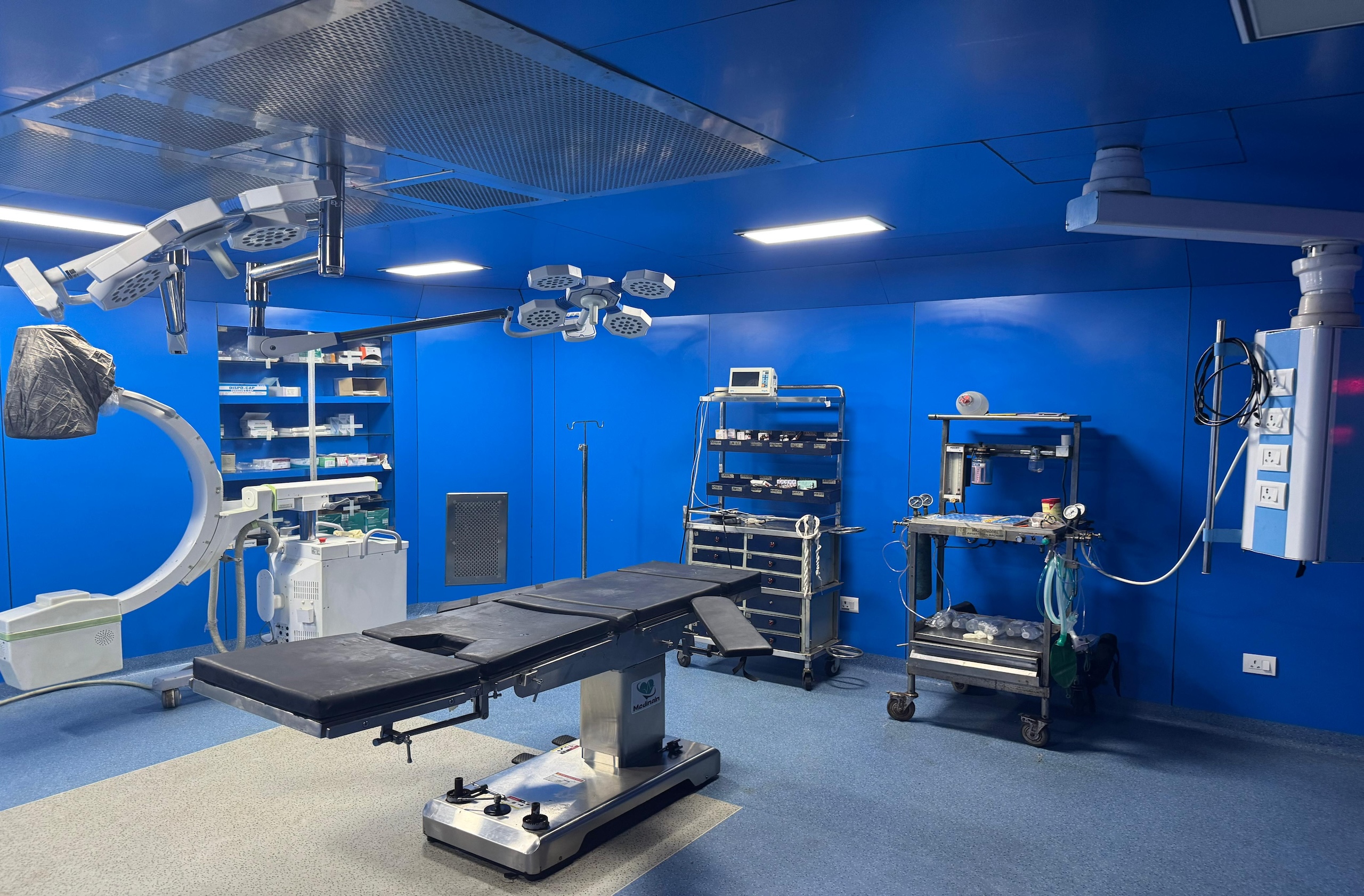
At Vijay Laxmi Multi-Speciality Hospital, all these benefits are delivered seamlessly thanks to advanced operating theatres, modern equipment, and a patient-first approach. Whether it’s a routine gallbladder removal or a more complex hernia repair, Dr. Vishad Patel ensures safe and effective laparoscopic treatment tailored to each individual.
Expert Surgical Care by Dr. Vishad Patel in Jaunpur:
When you’re thinking about surgery, especially the kind that’s done with tiny incisions (laparoscopic surgery) here in Jaunpur, you want to know you’re in good hands, right? Well, Dr. Vishad Patel is a name that comes up a lot, and for good reason. People trust him because he’s really skilled, knows his stuff inside and out, and genuinely cares about his patients. He’s got a knack for even the trickiest procedures, making sure things go well using these advanced, less invasive techniques.
At Vijay Laxmi Multi-Speciality Hospital, Dr. Vishad Patel is the person leading the surgery team, and his main focus is always on keeping patients safe, using the latest and greatest methods, and getting everyone back on their feet as smoothly as possible.
Let’s Talk About Dr. Vishad Patel
Dr. Vishad Patel is a surgeon with a whole lot of experience under his belt, both with laparoscopic and general surgery. He’s known for always staying up-to-date with the newest surgical ways of doing things and for making sure his patients get the best possible care. He’s really committed to learning constantly, which means patients in and around Jaunpur are getting the same high-quality treatment you’d expect in a big city.
He’s got a special touch when it comes to things like gallbladder removal, hernia repairs, appendix removals, and even using laparoscopy to figure out what’s going on inside. Dr. Vishad Patel has helped so many people with these kinds of issues, and he’s all about making things as easy and comfortable as possible for them, so they can recover faster.
Putting You First, Always
What really makes Dr. Vishad Patel special is how he looks at the whole picture and always puts his patients first. From the moment you walk into the hospital, he makes sure you understand everything – what’s going on with your health, what your treatment options are, and what to expect as you recover. He’s got a calm and clear way of explaining things, and he’s really caring, which helps ease any worries, especially if it’s your first time having surgery.
Surgical Precision That Makes a Difference
Dr. Vishad Patel uses the most advanced laparoscopic tools and really clear imaging systems to be incredibly precise during surgery. This level of skill means there’s less chance of things going wrong, less damage to your body, and a faster recovery for you.
Whether it’s a common surgery like taking out a gallbladder or a more complex operation in your abdomen, Dr. Vishad Patel has a great track record of success. He also follows really strict rules to prevent infections, keeping in line with the best practices around the world. So, you can feel confident you’re in capable and caring hands.
WHO Insights on Minimally Invasive Surgery in India
According to the World Health Organization (WHO), India has witnessed remarkable advancements in its healthcare sector, especially in the fields of surgery. The shift from traditional open surgery to minimally invasive surgeries (MIS), such as laparoscopic procedures, has played a key role in enhancing surgical outcomes and reducing patient recovery times.
A report by the WHO on India’s healthcare system notes the growing demand for advanced surgeries due to urbanization, changing lifestyle patterns, and an increasing burden of non-communicable diseases (NCDs). With rising cases of conditions such as gallstones, hernias, and obesity, laparoscopic surgery is emerging as the preferred choice for treatment due to its precision, reduced complications, and faster recovery times.
FAQs:
1. Is laparoscopic surgery safe?
Yes, laparoscopic surgery is very safe. It is a well-established technique used worldwide and is associated with fewer complications compared to traditional open surgery. The key to a safe procedure lies in the experience of the surgeon and the quality of the equipment used.
2. How long does it take to recover from laparoscopic surgery?
Recovery times vary depending on the type of surgery performed. However, most laparoscopic procedures allow for a quicker recovery compared to traditional surgery. Patients typically resume normal activities within a few days to a week, with full recovery occurring within a few weeks.
3. Will I experience much pain after laparoscopic surgery?
It generally causes less pain than traditional open surgery due to the smaller incisions. Most patients report manageable discomfort, which can be controlled with pain medication. Recovery is usually faster, and the need for strong painkillers is minimal.
4. What types of conditions can be treated with laparoscopic surgery?
It can be used to treat a variety of conditions, including:
- Gallbladder disease (cholecystectomy)
- Hernias (inguinal, umbilical)
- Appendicitis (appendectomy)
- Urological conditions
- Gynecological conditions like fibroids or endometriosis
- Colorectal disorders
5. Can laparoscopic surgery be done for elderly patients?
Yes, laparoscopic surgery is often recommended for elderly patients due to its less invasive nature, shorter recovery time, and reduced risk of complications. However, as with any surgery, the patient’s overall health and medical history should be carefully evaluated before proceeding.
6. How do I know if I am a candidate for laparoscopic surgery?
Dr. Vishad Patel will evaluate your medical history, perform a physical examination, and discuss your symptoms. Depending on your condition and health status, he will determine if laparoscopic surgery is the most appropriate treatment option for you.
7. How much does laparoscopic surgery cost in Jaunpur?
The cost of laparoscopic surgery in Jaunpur can vary depending on the type of procedure, the complexity of the case, and the hospital. Vijay Laxmi Multi-Speciality Hospital offers affordable pricing for laparoscopic surgeries, making advanced healthcare accessible without compromising quality. For a personalized quote, it’s best to consult directly with the hospital.
Conclusion:
Laparoscopic surgery is a landmark in medical field as it replaced open surgery with more advantages. Decades ago, only the most serious cases and the most skilled of surgeons were willing to go with such an option, but today, with less pain, a quicker recovery time, and little to no scarring, it is no mystery as to why more patients are opting for the newer solution. Under the service of Dr. Vishad Patel and his trained staff over at the Laparoscopy Treatment in Vijay Laxmi Multi-Speciality Hospital in Jaunpur, their goal is to provide the best standard of laparoscopic care to their patients, one that not only provides patients with effective treatment, but gives them a faster and quicker recovery.
If you’re considering laparoscopic surgery in and around Jaunpur, Vijay Laxmi Multi-Speciality Hospital is here to help. Schedule a consultation today to learn more about your treatment options and how laparoscopic surgery can improve your quality of life.